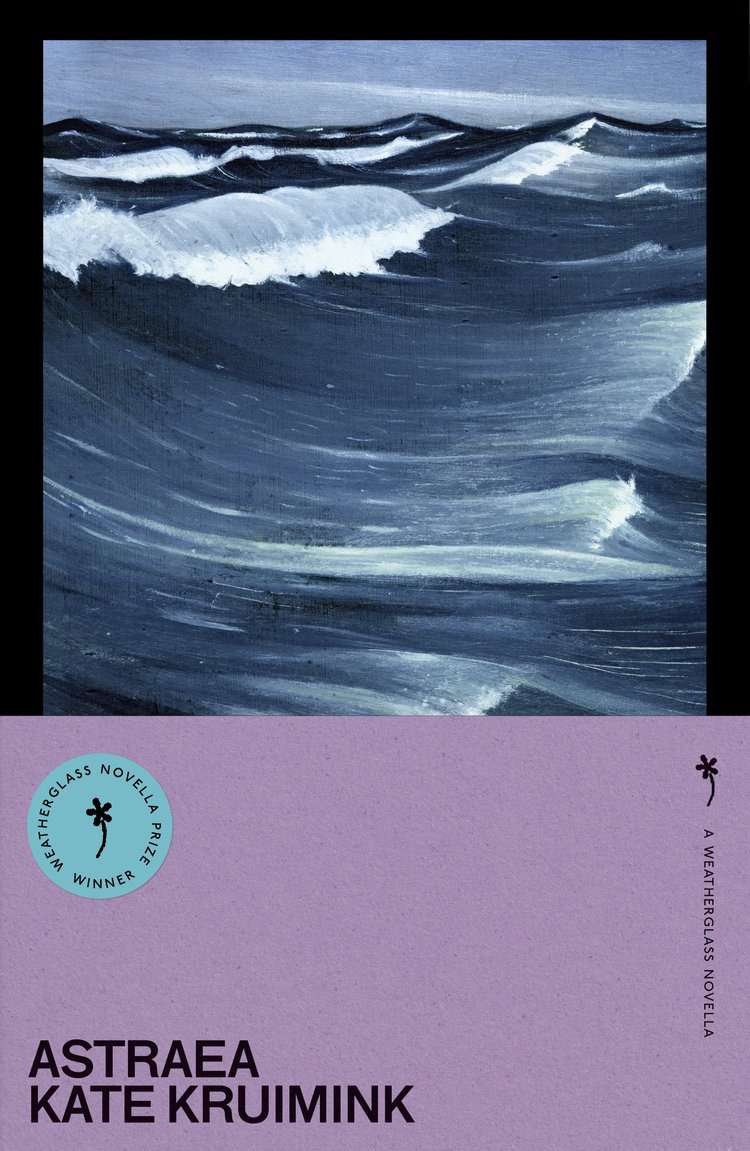
This potent novella is set among a group of convict women being transported from England on a ship. When we are and where the women are going are not stated precisely, but you may notice that the 15-year-old protagonist, Maryanne Maginn, shares her name with the missing girl at the heart of Kate Kruimink’s debut novel set during convict-era Tasmania. Astraea possesses the same strange core — these are sustained explorations of the past as a foreign country. The closest they come in atmosphere is perhaps the strange Italian films of Alice Rohrwacher.
On such unstable ground, there must be rules, and Kruimink establishes them with architectural clarity and brevity. There is the sea and its many moods, sometimes sick-making, at others “entirely motionless to look at, like a great spill on the glassblower’s floor that had been left to harden”. On the ship, the women are segregated from the men, “in the pen [they] had made flocks of themselves, bonnets fluttering”. When she finds herself in the ship’s hospital, Maryanne doesn’t know whether she is at the bow or the stern “because she grew disoriented below decks”. The women’s destination and fate are unstated (although we can imagine); their previous lives mentioned only in passing, yet cast long shadows. There is only the incarcerated present.
Maryanne worries about her “maybe-friend” Sarah Ward, who at this novella’s opening has poisoned herself. Sarah is as tough-talking as Maryanne is demure, refusing to accept her fate without a fight to the death, but rebellion comes in many forms, some of them silent. Maryanne assists in the hospital and finds on the ship an opportunity to remake herself, forget the events that led to her transport and the newborn she has left behind, so recently her breasts are still leaking. Confined to their quarters, the only men the women have regular contact with are the threatening yet incompetent Doctor and Chaplain, attempting in their misguided and sometimes brutal ways to save the women’s bodies and souls. The other men on the ship — the officers and sailors — are barely shadows flickering in the background.
Astraea is quietly harrowing. As demanded by the form, each word is as solid and polished as a pebble dropped in the ocean. On gathering with the women above deck, Maryanne sees:
a kind of vapour rising into the low, golden air. Barely visible forces were exiting the dark of their bodies to hang about them and map themselves for all to see, so any one of them might glance at another or hear her name and gain immediate access to all kinds of information about her, about what she would think of some matter, what she would choose, and how she would feel. Maryanne saw this and knew it had always been there. A soft wing beat in her heart.
In this novella, grace comes in the small words and gestures shared between the women.
Gay rating: for the possibility of queer desire.
Discover more from The Library Is Open
Subscribe to get the latest posts sent to your email.
 The Library Is Open