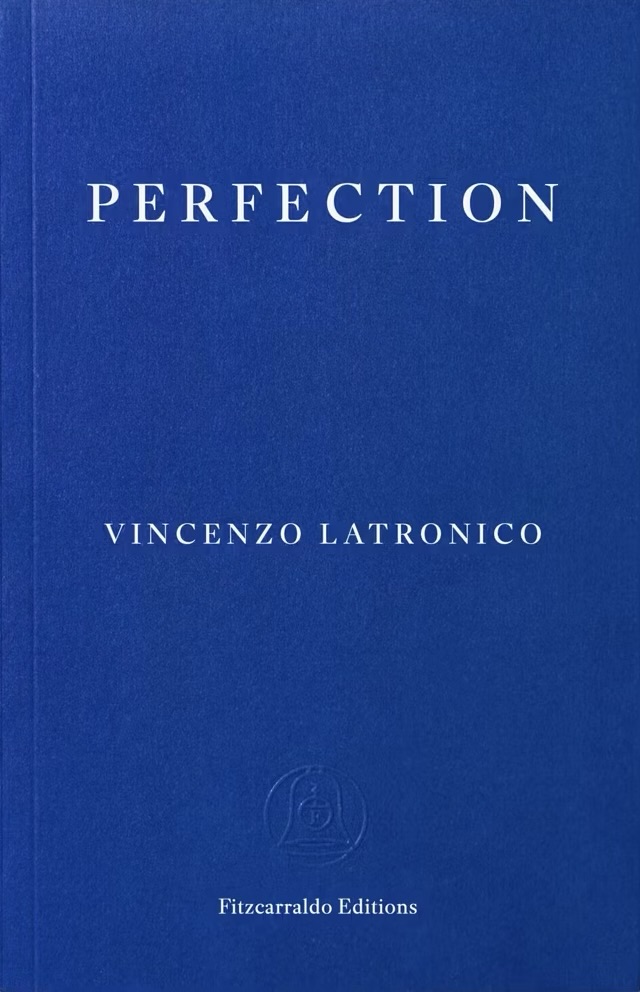
Perfection begins with an image. An apartment in Berlin, furnishings in tasteful primary colours, “a jungle of low-maintenance, luxuriant plants shelters in the nook of the bay window” including monsteras and fiddle-leafs (ouch). It’s sublet by its tenants through an online short-stay platform, and is cleaned by a Ukrainian “paid through a French gig economy company that files its taxes in Ireland”. There are work-from-home stations: “the working hours probably exceed those of an office worker — and yet … in this life work plays an important role without being an obligation or a burden”.
We don’t immediately know who calls this apartment home, but gradually find out that they are Anna and Tom, a couple of southern European millennial creative professionals who came to Berlin to live their elysian digital nomad existence, a “quest for freedom and pleasure”. Even before we get to the second part titled Imperfect it’s clear that this is no idyll. The cracks already show. The dust is impossible to keep up with; the apartment grows untidy. “The sex was infrequent and bad”. They don’t make as much money as those who can speak German. Bed bugs are on the rise in the city. There’s a humanitarian disaster building on Europe’s southern border.
Perfection though is all vibe; detached and cool, although never aloof. Things happen, but their impact drifts away. As in Paul Dalla Rosa’s short stories, whose Euro-Millennial mood Perfection also inhabits, capitalism has rendered Anna and Tom’s lives so smooth that the disruptions barely generate friction. Unlike those stories, we’re refused access to Anna and Tom’s vivid and exciting inner lives. Where it is always tempting to parody or satirise, Latronico seems pleasingly unwilling to punish his protagonists (although the situation he leaves them in is rather grim). In doing so he produces something much more uncomfortable, much less inclined to let us off the hook: a mirror of millennial life, the generation that Brazilian journalist Eliane Brum has called “the most spoiled, the most consumerist”. It is a perfectly curated grid of images portraying the 2010s, in the ebb of “the ravishing seas of a century that had now ended, leaving only calm in its wake, as far as the eye could see”. Eek.
It invites us to consider the space around those images. Anna and Tom’s existence is a lot about what it is not. They’re not unhappy with their sex life. Their interest in food “hadn’t been planted by sly marketers”. At dinner parties, they compare dishes “not in a spirit of competition”. Social media is neither narcissism nor addiction. You could never describe Anna and Tom as impoverished — at least materially — but their existence is precarious.
The source of that precariousness is the question looming over Perfection. Who benefits from Anna and Tom’s pursuit of freedom and pleasure? They have convinced themselves that it is them. But there are also the real estate agents, the gig economy platforms, the companies outsourcing cheap design work. And at whose expense? The spaces around the perfect images cast a long shadow over Perfection.
Gay rating: 3/5 because Anna and Tom identify as bi.
Discover more from The Library Is Open
Subscribe to get the latest posts sent to your email.
 The Library Is Open