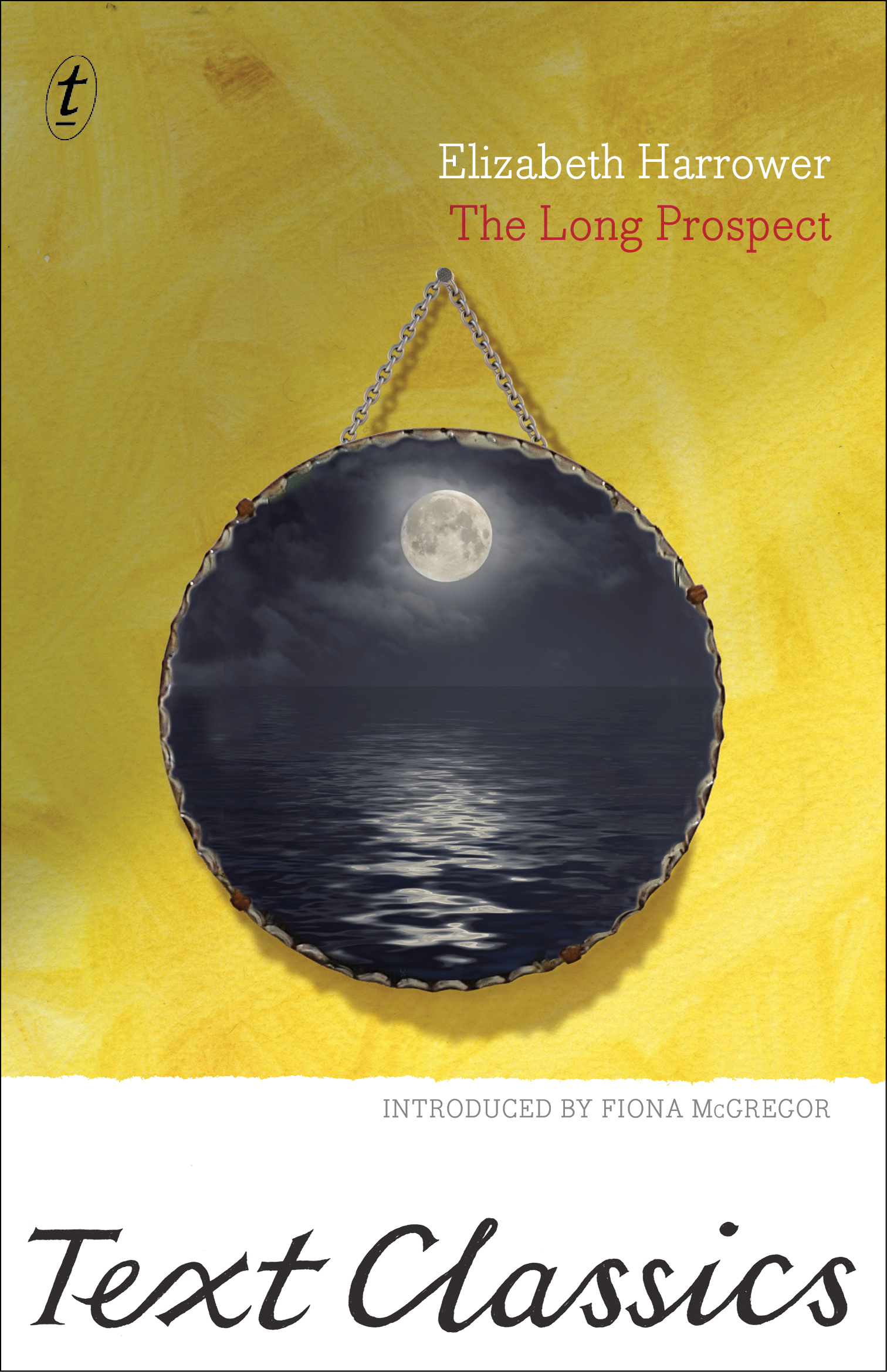
The Long Prospect begins in a flat overlooking the ocean in the city of Ballowra, a fictional place of “steelworks and factories” that suggests Newcastle. On the hunt for gossip, Lilian, 47, pays an unexpected visit to Thea, 33, who used to board with her. On entering the flat, Lilian overhears Thea talking to her lover, Max, on the phone. Inland, at Lilian’s residence in the suburb of Greenhills, her six-year-old granddaughter Emily sweetly obsesses over her teacher while enduring the neglect and cruelty of her guardians. This is the preamble for the events of half a decade later, when Max arrives to board with Lilian, becoming the new object of Emily’s interest. Max is the opposite of her family: well-read and thought, reserved where they are brash, committed to living morally. He offers intellectual stimulation, a sparring partner for Emily to test new thoughts with. “Under that nice-seeming manner he thought, and wanted to talk,” Emily finds.
Adults are rarely deserving of respect under Harrower’s withering pen. “Their world was Greenhills, their literature and philosophy Hollywood,” she writes of Lilian’s entourage. As cruel and feckless Lilian is, Harrower reserves her greatest sting for Lilian’s daughter, the long-suffering Paula, who is “content in her quiet humourless way to sit with the resignation of a decoy duck in a fun-fair allowing things — life, in this instance — to be thrown at her.” “The idea of discussion was anathema to her,” Harrower writes later, “Surely it was not done to disagree, however mildly?” In finding her own way to deal with her mother’s violence, Paula has passed the neglect onto her own daughter.
The Long Prospect is full of relationships that test social mores. Lilian is married once but widowed twice, and hosts a serial steam of live-in companions. Max is married, but estranged from his wife; Emily’s mother Paula is separated from her father Harry. However it is Max’s friendship with Emily that throws Greenhills society into a spin. Of course Harrower is playing on her reader’s discomfort, and the relationship is accused of being “unnatural” with devastating consequences. But Harrower mines their friendship for something much more generous as Emily becomes a “fabulous being”. On turning twelve, Emily finds herself:
collected in one place, made subjective and aware of it: made capable of objectivity. Overnight she had become all-seeing and all-wise. She had become the sounding-board for thin waves of intuition by which she incredibly, sometimes shockingly, and often to the dismay of her heart, knew what was true and what was not.
She is alive in her consciousness in a way her family are not. On a trip to the seashore, she is the first to see a rainbow over the water:
How full of meaning might that not be A rainbow arcing the sea. But they had taken it calmly enough, of course, walking stodgily up to it, scoffing as it to say ‘mirage’ or ‘go away’. But that could have been jealousy; they were obviously unwilling to believe what they could so clearly see. It outstayed them on the cliff, though, and that seemed to prove something.
“She was valued! She was valued!” Emily thinks ecstatically when she finds a companion in Max. All she needs is a little nurturing.
Gay rating: 1/5 for Lilian’s camp antics.
Discover more from The Library Is Open
Subscribe to get the latest posts sent to your email.
 The Library Is Open