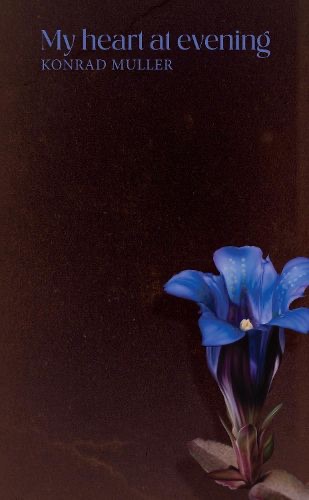
1832 in Van Diemen’s Land, the surveyor Henry Hellyer is found dead in his accommodation at the north west settlement of Circular Head, where the notorious Van Diemen’s Land Company enjoys unrestrained and almost absolute power over land and people. Hearing of the reports, the colony’s Governor, known here as the Skull, charges our narrator, a former field police officer, to investigate. In due course he arrives at the settlement, where he is put up in Hellyer’s room, and sets out to interview various of the company’s employees and convicts. What follows is a tantalising procedural. That Hellyer died by suicide, his room locked from the outside, is accepted as fact; the real line of inquiry is what drove him to it. The narrator — the real Danish adventurer Jorgen “Jorgi” Jorgenson, we learn at length — follows whispers and rumours to uncover the unspeakable.
“Remoteness or isolation accentuates character,” Jorgi tells us, and My Heart At Evening offers a cast of convicts and commanders in their precarious outpost. Like Kate Kruimink’s A Treacherous Country, My Heart At Evening revisits Australia’s colonial past to reveal untold stories and unconsidered angles, in this case the existence of queer convicts and settlers. Muller imagines a compelling hypothesis for Hellyer’s death that reads between the lines of the historical record, mimicking the task of the queer historian to read “the hidden script, the night writing” and the “secret language of objects”, as Jorgi describes the unofficial evidence he finds.
Muller is as attuned to the emotional and psychological climate of his characters as that of the environment, conjuring “those stupendous, tangled blue forests that are always raining, always dead to the sunlight, like old London cathedrals”, “a towering blue wall … like vegetation from the first days of the world”, or the ancient banksias clinging to the windswept volcanic peak above the settlement:
Many had been left leaning by nature’s hand and resembled fleeing bodies, frozen with their arm’s outflung, their mouths agape. Some had fallen entirely but remained alive, their boughs crawling horizontally through the air, in defiance of gravity, an image expressive as the searching of human hands.
Through such prose, Muller charts this landscape of feeling.
Gay rating: 3/5 for queer themes and characters.
Discover more from The Library Is Open
Subscribe to get the latest posts sent to your email.

